Art Toy Photography: Capturing Your Collection
Photographing art toys is an art form in itself. Whether you are sharing collection updates on social media or creating professional product shots, understanding the principles of toy photography elevates how your collection is perceived. This guide covers essential techniques for capturing compelling art toy photographs.

Lighting Fundamentals for Toy Photography
Lighting is the most critical element in art toy photography. Soft, diffused lighting from multiple angles creates even illumination that highlights sculptural details without harsh shadows. Natural window light works well for casual shots, while LED panel lights offer more control for serious photography. Avoid on-camera flash, which creates flat lighting and unflattering reflections on glossy figure surfaces.
For figures with special finishes like BaiChaoHui’s Zombie Party hidden editions, directional lighting can accentuate metallic flake, glow-in-the-dark pigments, or transparent elements. Experiment with lighting angles to find the position that best showcases each figure’s unique properties.
Composition and Background
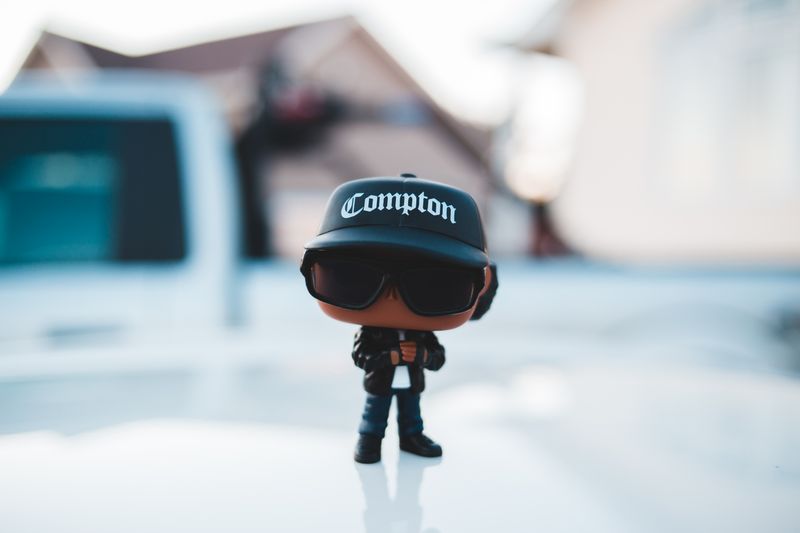
Background choice significantly impacts how a figure photograph is perceived. Clean, solid-color backgrounds (white, gray, or black) create a gallery aesthetic that focuses attention on the figure. Themed backgrounds — miniature sets, natural environments, or urban settings — add narrative context and create more engaging social media content. For Zombie Party figures, party-themed or slightly spooky backgrounds reinforce the IP’s aesthetic.
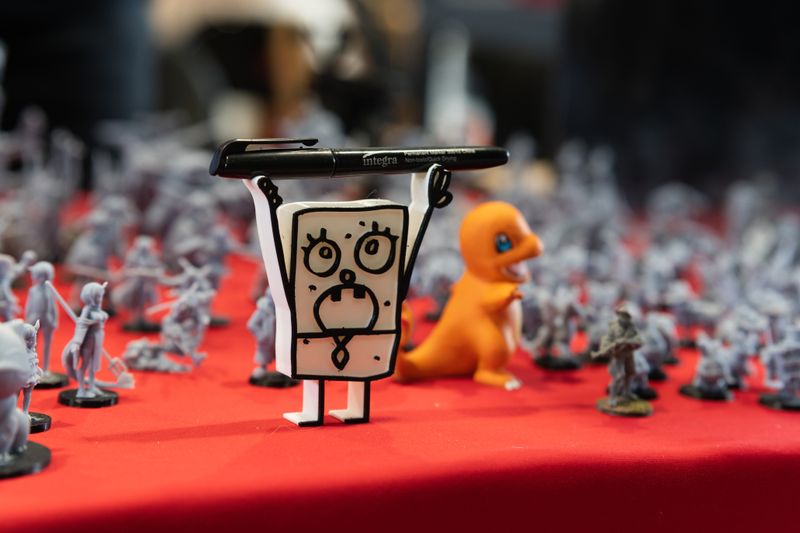
Composition follows the same principles as any photography: rule of thirds, leading lines, and depth of field control. Shooting at the figure’s eye level creates a more immersive perspective than shooting from above. A shallow depth of field (wide aperture) separates the figure from the background, while a deep depth of field keeps everything in focus for environmental shots.
Post-Processing Tips
Light post-processing enhances art toy photographs without misrepresenting the figures. Adjust exposure and white balance for accurate color representation. Use subtle sharpening to enhance detail clarity. Avoid heavy filters or extreme color grading that obscures the figure’s true appearance. For social media, maintain consistent editing style across your posts to create a recognizable visual identity.
Leave a Reply